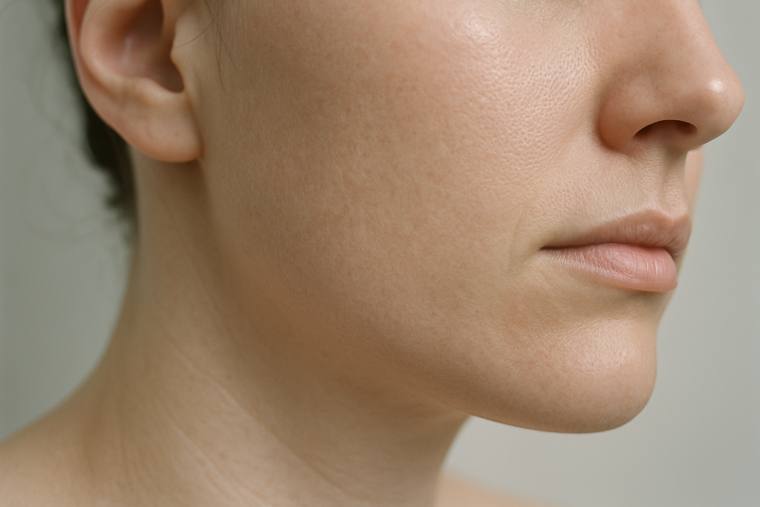
What a HydraFacial actually is
HydraFacial is a brand name, not a category. That distinction matters more than most marketing admits, because it is the single most common source of confusion among patients booking their first treatment. The device is manufactured by BeautyHealth and uses a spiral-tipped handpiece to create a vortex effect at the skin surface. That vortex simultaneously loosens debris from the pore, suctions it away, and delivers a serum into the space it has cleared.
Plenty of clinics offer treatments described as "hydrafacials" in lowercase, which are device-assisted facials using a different machine entirely. They may be perfectly good. They are not the same treatment, they are not covered by the same clinical data, and they should not command the same price. If the clinic cannot name the device, you are not booking what you think you are booking.
The treatment sits in an awkward middle ground that the industry has never resolved. It is more than a facial, because it uses controlled suction and acid exfoliation. It is considerably less than a resurfacing procedure, because it does not create a controlled wound and therefore does not trigger meaningful collagen remodelling. Understanding where it sits is the difference between being delighted and being disappointed.
The three steps, explained
The protocol is standardised, which is one of its genuine strengths. A HydraFacial in Marylebone should be broadly the same treatment as a HydraFacial in Manchester.
- Cleanse and peel. A gentle glycolic and salicylic acid solution lifts dead cells from the stratum corneum. Concentrations are low, typically well under what a clinical peel would use, and the acid is in contact with the skin for a very short time.
- Extract and hydrate. Vortex suction clears sebum and debris from the follicle. This is the step patients notice most, and the one responsible for the treatment's reputation on comedonal congestion.
- Fuse and protect. Serums containing hyaluronic acid, peptides and antioxidants are delivered into the freshly exfoliated surface.
Optional boosters exist for pigmentation, ageing and congestion, and clinics will usually offer them at additional cost. The realistic position on boosters is that they may improve the result at the margins, and that a booster cannot change what the underlying treatment is capable of.
What the evidence supports
Published research on HydraFacial specifically is thinner than the marketing implies, and that is worth saying plainly. The available studies are typically small, often manufacturer-linked, and measure short-term outcomes.
What is reasonably well supported:
- Immediate improvement in skin hydration and light reflectance, which is the "glow" patients report
- Reduction in visible comedonal congestion, particularly across the nose and chin
- Very low adverse event rates across a wide range of skin types
- Improved penetration of topically applied actives immediately after treatment
What is not well supported, whatever a clinic's website says:
- Meaningful, lasting reduction in wrinkle depth
- Structural change to skin laxity
- Long-term resolution of inflammatory acne
- Permanent improvement in pigmentation
None of that makes the treatment a poor choice. It makes it a specific choice, for a specific job, at a specific point in a skincare plan. A patient who wants their skin to look its best for an event in three days is exactly the right candidate. A patient who wants to address ten years of photoageing is being sold the wrong thing.
What it costs in London
Pricing in 2026 varies more by postcode and positioning than by clinical quality, which is a frustration for patients trying to compare.
| Format | Typical London price | Notes |
|---|---|---|
| Express, roughly 30 minutes | £110 to £160 | Cleanse, peel and hydrate only. No extractions in some protocols. |
| Signature, roughly 45 minutes | £150 to £220 | The standard three-step protocol. |
| Deluxe or Platinum, 60 to 75 minutes | £220 to £340 | Adds lymphatic drainage, LED and a targeted booster. |
| Course of six | £800 to £1,400 | Usually a 10 to 20 per cent saving. Only worth it if you will genuinely attend. |
Two pricing patterns are worth treating with suspicion. The first is anything substantially below £100 in central London, which usually indicates a non-genuine device or a heavily abbreviated protocol. The second is a course sold aggressively at the first consultation before anyone has seen how your skin responds to a single session.
Who it suits, and who it does not
The strongest candidates are patients with dull, dehydrated or mildly congested skin who want a visible improvement quickly and have no tolerance for downtime. It is also a sensible maintenance treatment between more substantial procedures, and it is one of the few device treatments that is comfortable enough to be genuinely relaxing.
It is a poor choice for active inflammatory acne, where suction and manipulation can worsen lesions. It should be avoided during an active rosacea flare, on skin currently taking oral isotretinoin, and where there is any active infection at the treatment site. Patients with a history of cold sores should mention it, since any facial manipulation can trigger recurrence.
How to choose a clinic
Because the protocol is standardised, the differentiator is not the machine. It is who is operating it and what happens around the treatment.
Questions worth asking before you book:
- Is this a genuine HydraFacial device? Ask for the model.
- Who performs the treatment, and what is their qualification?
- Is a skin consultation included, or is the treatment sold as a standalone?
- What will you recommend if this treatment turns out not to be the right one for my concern?
That last question is the most revealing. A clinic operating as a genuine skin practice will happily tell you that a HydraFacial is not the answer for your pigmentation, and propose something that is. A clinic operating as a retail counter will sell you the course.
The structural point matters more than any single clinic name: you want the treatment to sit inside a skin plan, not to be the plan. A practice that runs device facials as one part of a wider medical skin offering will use them appropriately. A practice whose entire proposition is the device will use them on everyone.
HydraFacial compared with the alternatives
For a fuller view of where each option sits on price, see our breakdown of what aesthetic treatments cost in the UK in 2026.
| Treatment | Best for | Downtime | Result duration |
|---|---|---|---|
| HydraFacial | Immediate radiance, mild congestion | None | Five to ten days |
| Medical peel | Pigmentation, texture, acne scarring | Three to seven days | Months, cumulative |
| Microneedling | Texture, scarring, fine lines | Two to four days | Months, cumulative |
| Laser resurfacing | Significant photoageing | Five to fourteen days | Years |
Read that table as a ladder rather than a menu. HydraFacial occupies the bottom rung deliberately: no downtime, no risk, no structural change. If your concern requires a rung further up, no number of HydraFacials will substitute.