How PRP is made and works
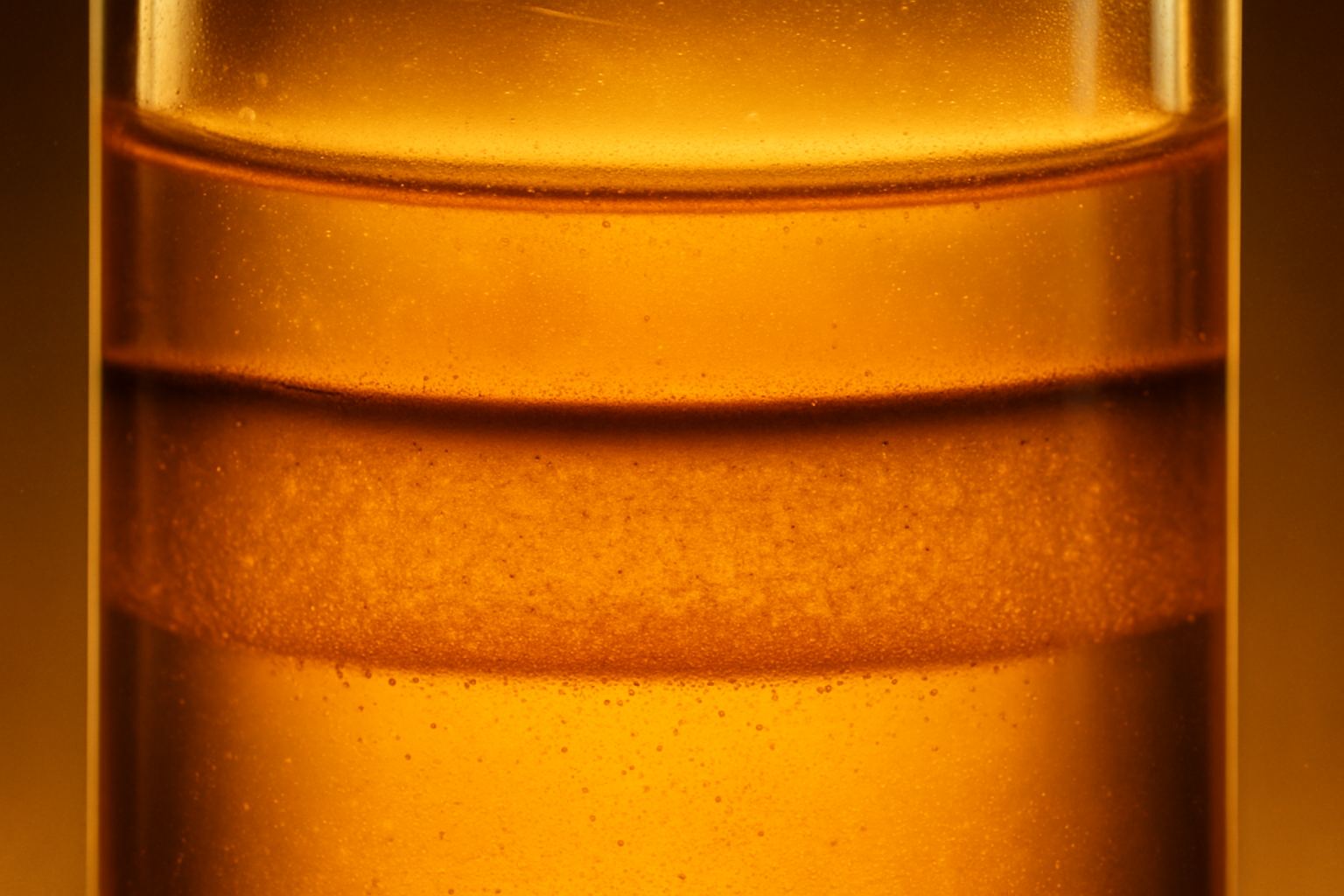
Platelet-rich plasma starts with a standard blood draw. The sample is placed in a centrifuge and spun to separate its components, concentrating the platelets into a small volume of plasma. That concentrate is then injected back into the patient, into the scalp for hair loss or the skin for rejuvenation.
The rationale is that platelets are a rich source of growth factors, signalling proteins involved in tissue repair and regeneration. Concentrating and delivering them to a target area is proposed to stimulate hair follicles or skin fibroblasts. Because the material comes from the patient's own body, the immunological risk is low, which is one of PRP's genuine advantages.
The mechanism is plausible and the biology is sound. As always, the question is whether that translates into a reliable clinical result, and here the answer depends heavily on what is being treated.
The preparation is quick enough to be done during a single appointment, which is part of PRP's practical appeal. Blood is drawn, spun for a matter of minutes, and the concentrate is injected in the same visit, so the whole process fits within an hour. That convenience, combined with the low immunological risk, explains why PRP has spread so widely despite the unevenness of its evidence. Convenience and a compelling story, though, are not the same as a reliable result, which is the tension running through the whole treatment.
One detail patients often misunderstand is that PRP is not a stem-cell treatment, despite frequently being marketed with regenerative language that implies as much. Platelets are cell fragments, not stem cells, and the effect is signalling rather than the introduction of new cell lines. This matters because the more dramatic claims sometimes attached to PRP borrow their credibility from stem-cell science that is not actually involved. Understanding what is in the syringe, a concentrate of the patient's own platelets and plasma, keeps expectations anchored to what the treatment can plausibly do.
PRP for hair loss
The strongest evidence for PRP is in androgenetic alopecia, the common patterned hair loss affecting both men and women. Multiple studies and several systematic reviews indexed on PubMed report improvements in hair density and thickness, and a slowing of loss, in a meaningful proportion of patients.
The realistic framing is that PRP can improve density and slow progression in appropriate candidates, particularly those with earlier-stage loss and active follicles still present. It does not regrow hair on a scalp that has been bald for years, where the follicles are gone. It is best understood as a treatment that supports and prolongs, often used alongside established medical therapies rather than replacing them.
PRP works best on hair loss that is still in progress, not on ground that has already been lost.
Even here the evidence carries caveats: studies vary in preparation method, injection protocol and outcome measurement, which makes pooling results difficult and partly explains why effect sizes differ between trials.
The other realistic point about scalp PRP is that it is a commitment rather than a one-off. Because the effect depends on ongoing stimulation of living follicles, maintenance sessions are needed to hold any gains, and stopping treatment generally means the underlying pattern of loss reasserts itself over time. A patient weighing PRP for hair should budget for the long term, not a single course, and should view it as one tool alongside established medical therapies rather than a standalone cure.
PRP for skin
For skin rejuvenation the evidence is weaker and more variable. PRP is marketed for improving skin texture, fine lines and under-eye quality, sometimes as the treatment popularly nicknamed after a well-known figure. Small studies report improvements in skin elasticity and appearance, but the quality of evidence is lower than for hair, with more reliance on subjective assessment.
Part of the difficulty is the same one that affects exosome claims: PRP is frequently combined with microneedling, so separating the contribution of the PRP from the needling is hard without controlled comparison. Some evidence suggests PRP adds to the effect of microneedling for certain concerns, but the picture is not settled. The same evidential caution applies across regenerative treatments, as our assessment of what the polynucleotide evidence says and our look at the exosome evidence gap both discuss.
The protocol problem
The single biggest issue across the whole PRP field is the absence of a standard protocol. Almost every variable differs between clinics:
| Variable | Why it matters |
|---|---|
| Centrifuge system | Different systems yield different platelet concentrations |
| Number of spins | Single versus double spin changes the final product |
| Platelet concentration | The dose of growth factors varies widely |
| Activation method | Whether and how platelets are activated differs |
| Injection technique and volume | Depth, spacing and total volume are not standardised |
| Number and spacing of sessions | Protocols range widely between clinics |
The consequence is that PRP is not one treatment but many, and a study showing benefit with one preparation does not necessarily transfer to another clinic using a different system. It also means a patient cannot straightforwardly compare offers, because the same name can describe very different products. Asking about the system used and the resulting platelet concentration is a reasonable and revealing question.
This is not a minor academic quibble. The field has moved toward the view that a threshold concentration of platelets is needed to see a benefit, and preparations that fall below it may deliver little. Yet clinics rarely quote the concentration their system produces, and patients almost never ask. A treatment sold on the strength of published evidence should, in principle, be delivered in a way that resembles the preparations used in those studies. The gap between that ideal and everyday practice is the single biggest reason PRP results are so inconsistent, and it is a gap the patient cannot see from the price list alone.
Safety and who it suits
PRP has a strong safety profile precisely because it uses the patient's own blood, so allergic and immune reactions are rare. The common effects are injection-site pain, swelling, bruising and temporary tenderness. Serious complications are uncommon and largely related to injection technique rather than the product.
The best candidates for scalp PRP are patients with early to moderate androgenetic alopecia and active follicles. Poor candidates are those with long-established baldness or hair loss from causes PRP does not address. For skin, the reasonable candidate is someone seeking a modest improvement in quality who understands the evidence is less certain than for hair.
Proper assessment before treatment matters more than patients tend to expect. Hair loss has many causes, and some, such as thyroid disturbance, iron deficiency or certain autoimmune conditions, need identifying and treating in their own right rather than masking with PRP. A responsible clinic takes a history and, where appropriate, arranges blood tests before starting a course, because PRP applied to the wrong cause of hair loss is money spent on the wrong problem. A clinic that offers to start injecting without any of that groundwork is skipping the step that determines whether the treatment even makes sense for the patient in front of it.
Cost and choosing a clinic
UK pricing in 2026 runs from roughly £300 to £600 per session for facial PRP, and around £900 to £1,800 for a course of three scalp sessions, with maintenance thereafter. Our guide to what aesthetic treatments cost in the UK in 2026 places these in context.
Because PRP involves a blood draw, preparation and injection, it should be performed by a suitably trained and registered practitioner in an appropriate setting, with proper handling of the blood sample. Our explainer on what an aesthetic clinic actually means in UK law covers how to verify that, and general dermatological guidance on hair loss is available from the British Association of Dermatologists.